- If refresher training and courses takes place as contact learning, only participate if you are completely healthy. If you develop symptoms of respiratory viral infections (cough, runny nose, sore throat, fever, feeling sick, unusual tiredness), stay home and immediately contact the family health centre or the family doctor hotline 1220 for further instructions.
- The simplified quarantine procedure does not apply to students of refresher training institutions.
- Keep a reasonable distance from others wherever possible.
- During breaks, leave the classroom and make sure the rooms are ventilated.
- Leave the study building immediately if any signs of illness appear.
- If it is possible to participate in refresher training and courses through digital channels, prefer distance learning.
Wearing a mask
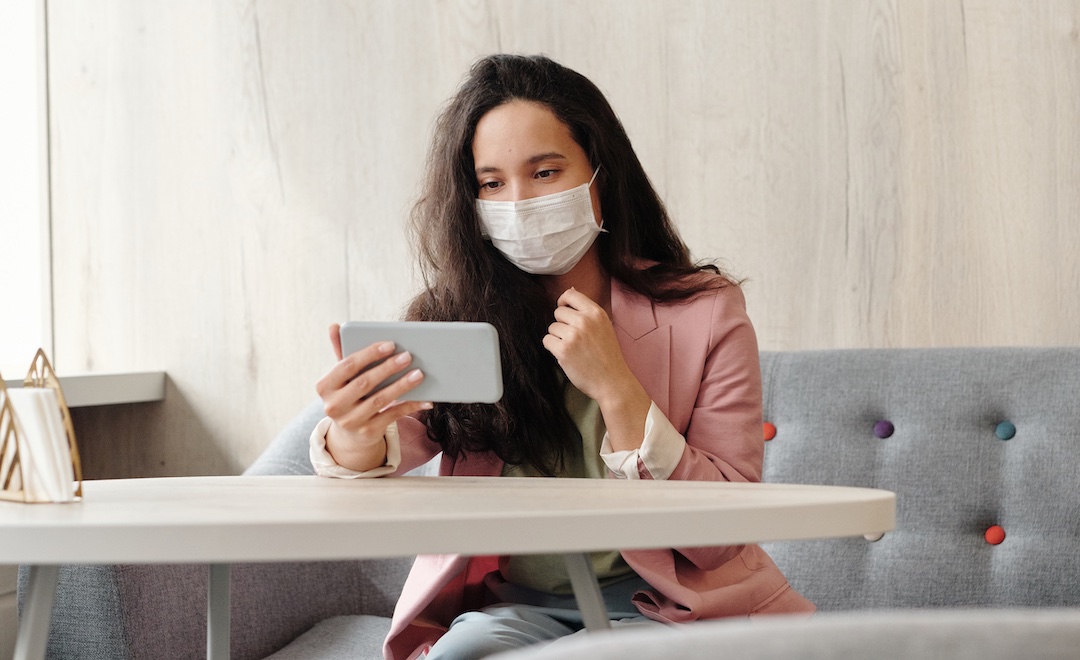
- The obligation to wear a mask depends on the level of risk established in the country, but in crowded places and indoors, wearing a mask to prevent infection and spread the virus is recommended even if it is not mandatory.
- Masks are strongly recommended for people who have not been vaccinated and are at high or very high risk of developing the disease.
- Wear a mask and change it often enough to avoid the overuse of a contaminated mask.

Washing hands and disinfection
- Washing hands and disinfecting is important before entering and after leaving common areas; after touching common objects (for example, handrails, door handles, furniture, shared teaching aids, etc.); after blowing your nose, coughing, or sneezing; before and after eating; after going to the toilet.
- If there is no way to wash your hands, use a disinfectant.
- Avoid touching the eyes, nose, and mouth, as well as other people and objects, to prevent the virus from spreading.
- When coughing and sneezing, cover the nose and mouth with your forearm or a tissue and throw the tissue in the trash immediately after use.
What to do in case of contracting the disease?
- Leave the study building immediately if any signs of illness appear.
- If you contract the coronavirus and suspect you got infected while you were studying or in the study building, tell the school immediately.
- Let the school know who you may have been in close contact with during the infection period. In this way, these people can also monitor their health and prevent the infection from spreading.
- If you feel up for it and it is possible to participate in refresher training and courses through virtual channels, continue with your studies.
- Return to contact learning only when the doctor has declared you healthy. You can create a certificate of recovery on the patient portal digilugu.ee to prove your infection safety.
Last updated: 14.03.2022